



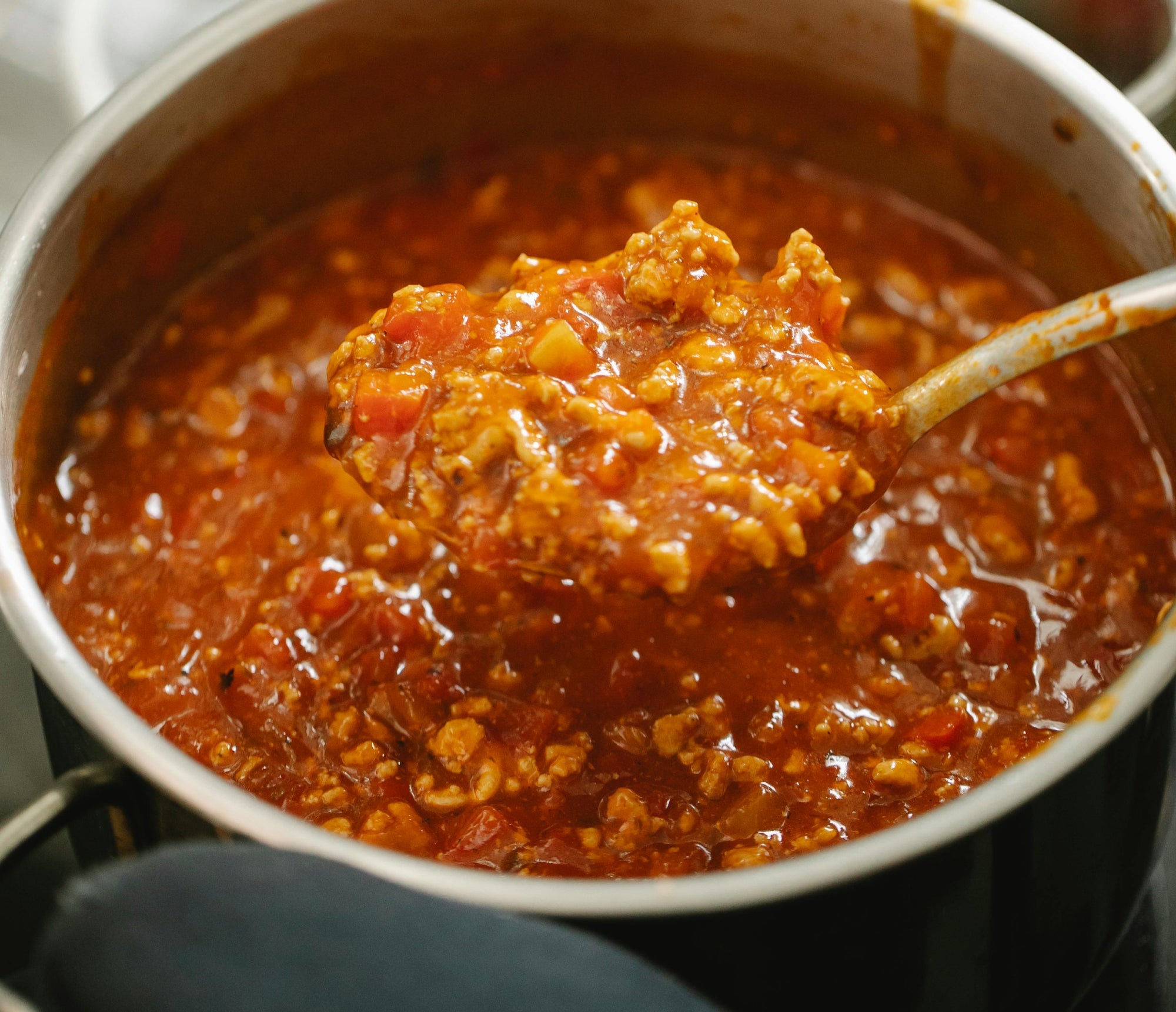
Pestos, sauces and gravies, endless condiments to love


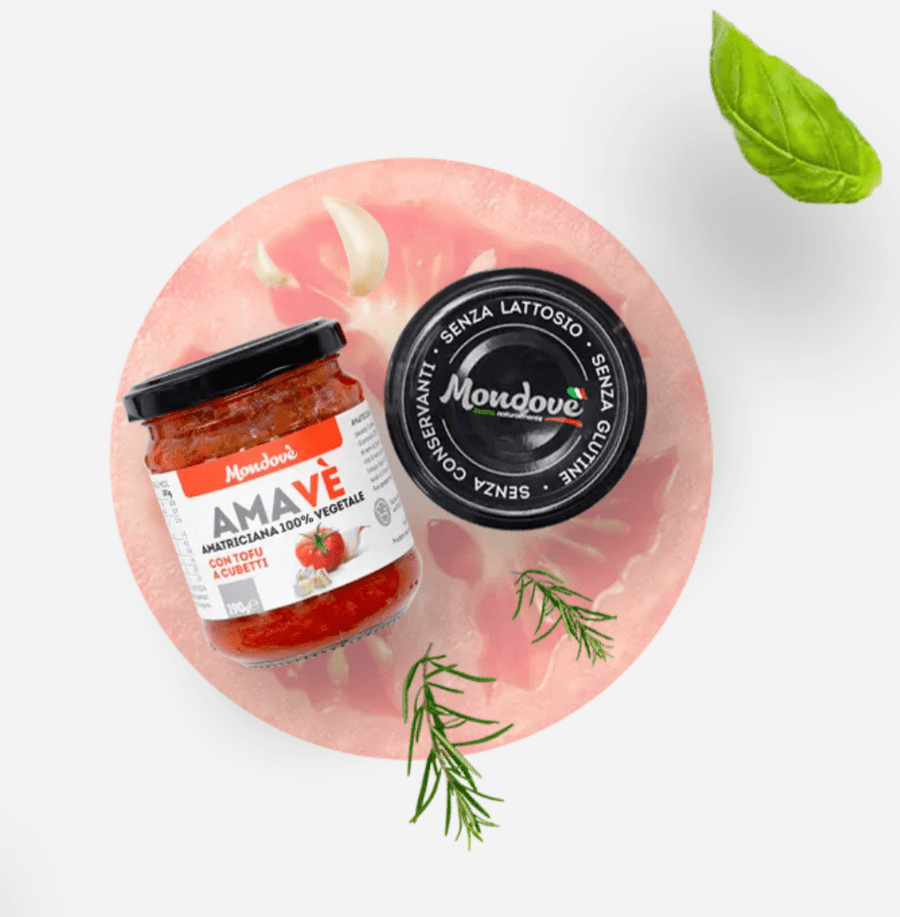
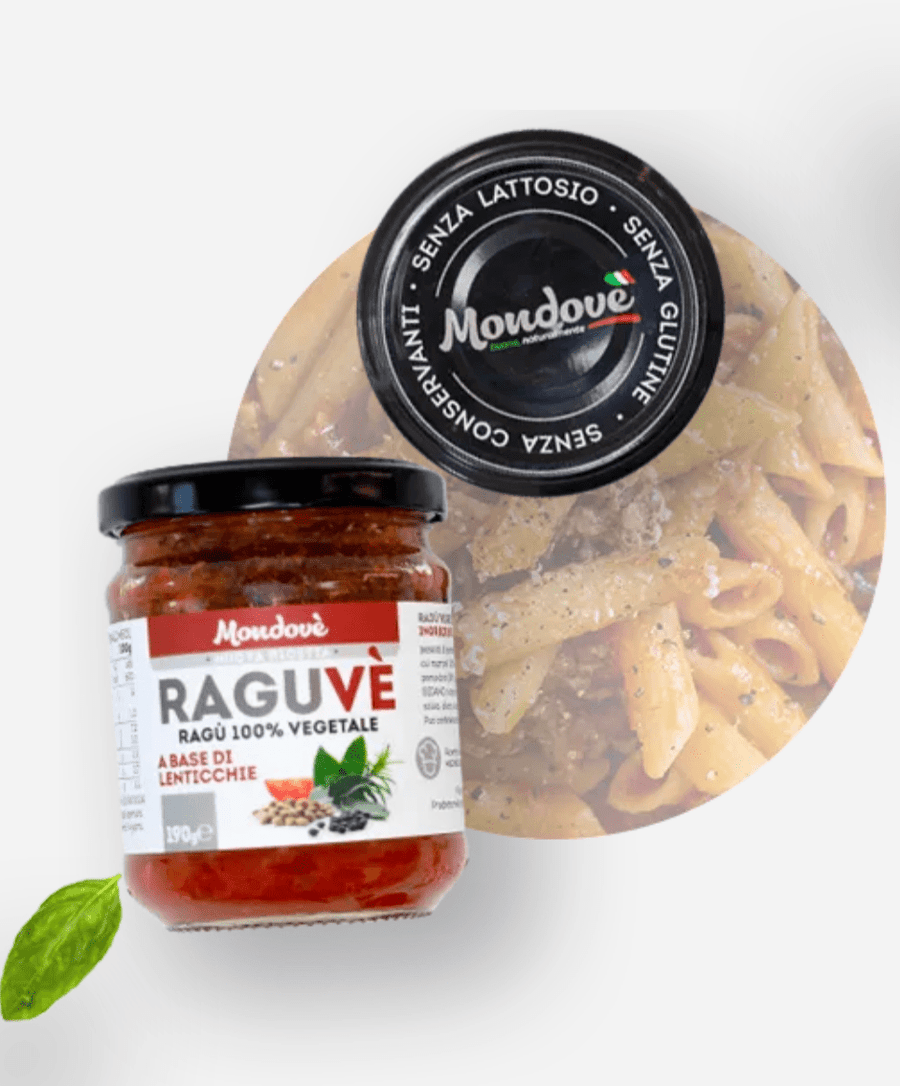


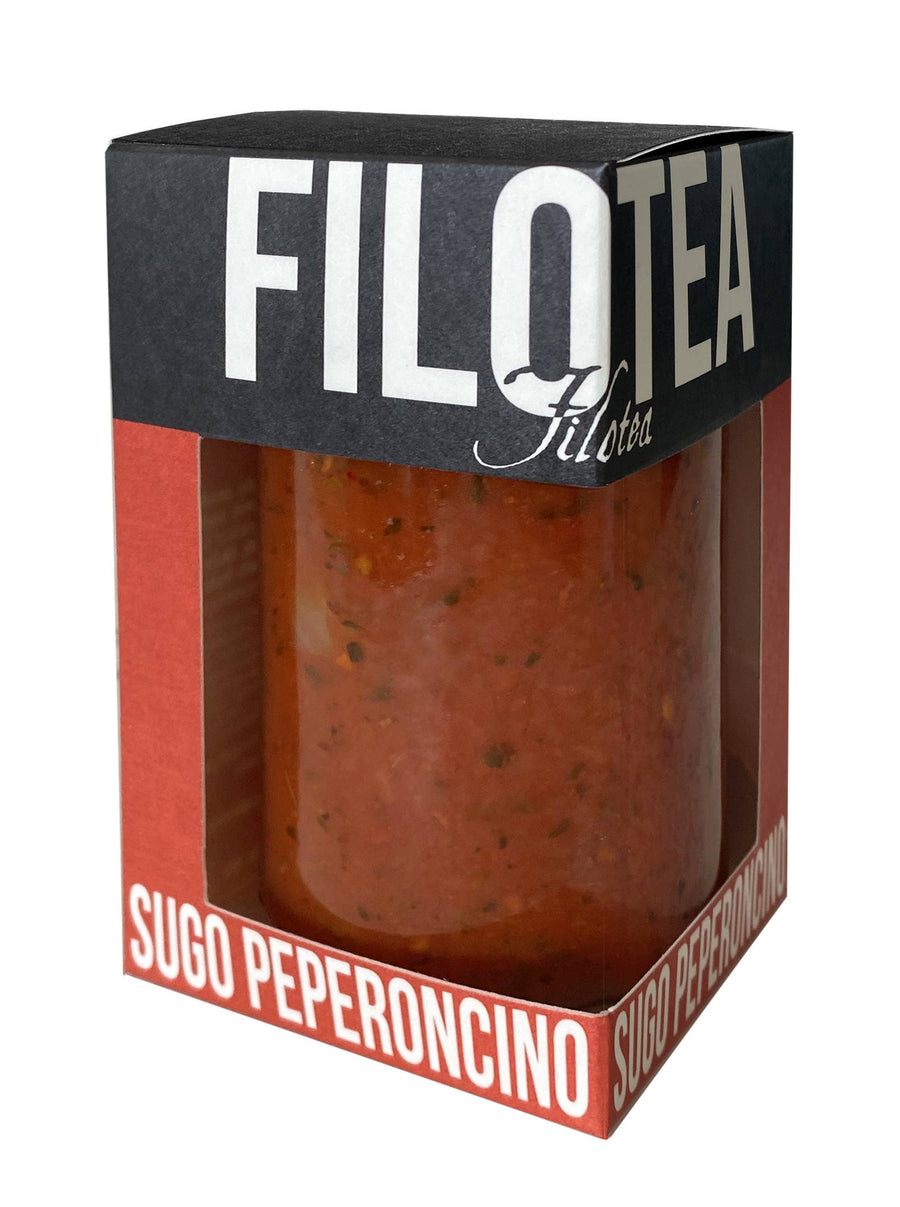
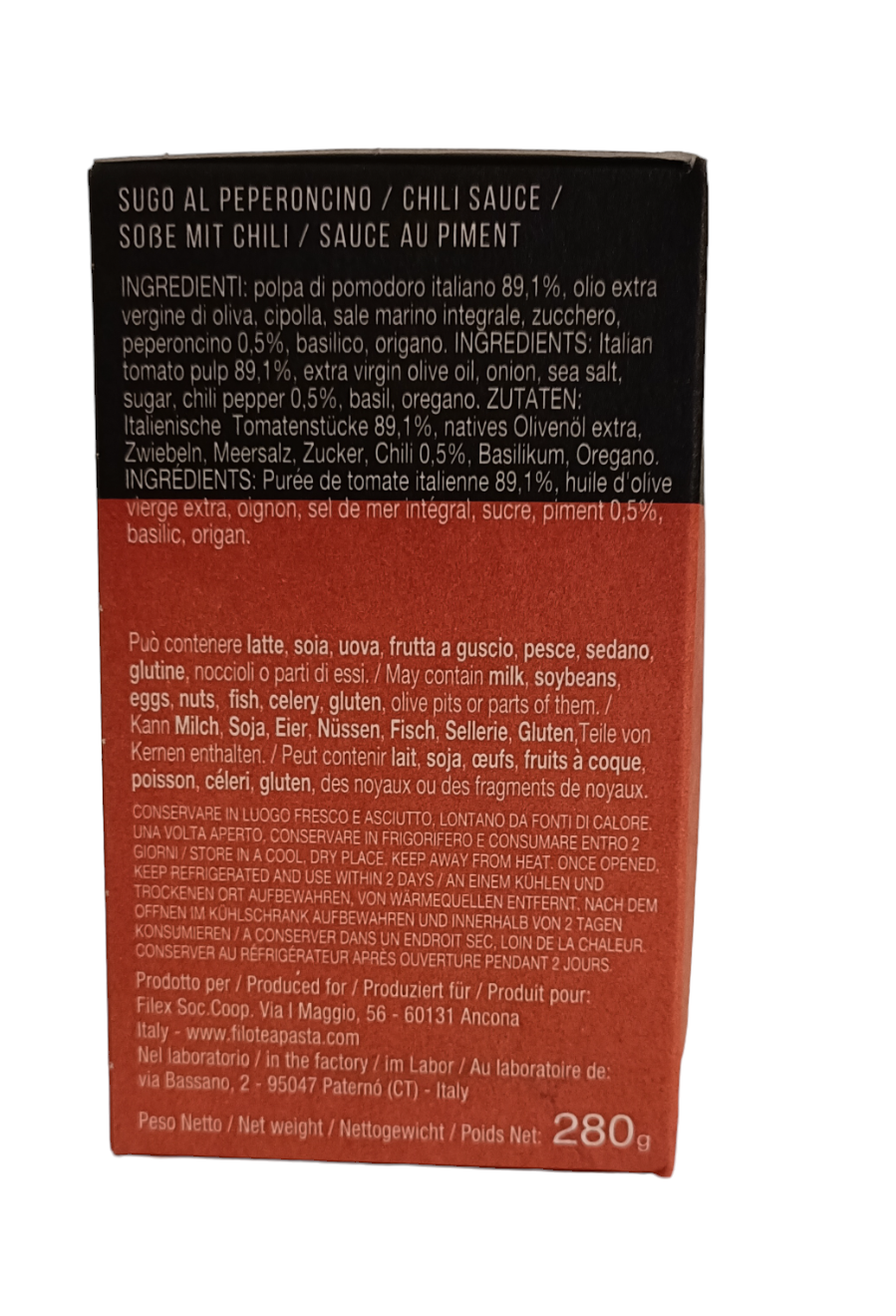


Pestos, sauces and gravies are versatile and tasty condiments of the Italian tradition.
Made with vegetables, aromatic herbs, cheeses, dried fruit, oil and spices, chopped, blended or cooked together to create smooth and tasty creams, these condiments are not only tasty but also provide our body with vitamins, minerals, antioxidants, fibre and unsaturated fats, useful for well-being and a healthy and balanced diet . Obviously, their nutritional value depends on the ingredients used and the quantities consumed, so it is best not to overdo it and vary the choices often.
The process of producing artisanal pesto involves the use of a mortar, which allows the ingredients to be crushed cold , thus preserving their organoleptic and nutritional properties. Artisanal tomato puree is the oldest method for preserving garden tomatoes and enjoying them all year round , starting with fresh ripe tomatoes, which are peeled and passed through a sieve, in order to obtain a smooth and uniform puree.
Some recipes have become famous all over the world, such as pesto alla genovese or amatriciana sauce . Other recipes are variations, but equally tasty, such as rocket or dried tomato pesto, walnut sauce, or more recently flavored with vegetable alternatives to meat and fish.
To choose a quality pesto, sauce or gravy, always pay attention to the list, as short and transparent as possible, and to the origin of the ingredients but also to the processing methods, which have not altered the raw materials too much, and above all to the absence of chemical preservatives . You will only need to notice the color, the smell, the consistency and possibly the flavor to evaluate whether or not to consume the product.
Maybe you didn’t know, but the term “salsa” comes from the Latin “salsus”, which means “salty”, and originally referred to a preparation based on salt, water and herbs, used to preserve and flavour food. The term “pesto” instead comes from the verb “pestare”, which means “to crush”, and refers to the preparation technique with the mortar, and finally “sugo” comes from the Latin “succus”, which means “juice”, and refers to the liquid that comes out of cooking food .

Iscriviti al PROGRAMMA PUNTI FEDELTÀ ZiaCris
💶 e 20€ di credito da spendere nello shop ogni 250 punti accumulati
💰 3€ di credito ti aspettano!
Ottieni un credito immediato per i tuoi acquisti